



Ethereum increase and fall: unpacking why behind Bitcoin value reduction
At the beginning of January 2015, the cryptocurrency market experienced a sudden and significant recession, with Bitcoin (BTC) lost about 80% of its value in less than a month. This phenomenon has left for many a miracle that led to a fall in such a sharp price. In order to delve into the reasons for this massive downturn, let’s study the key factors that contributed to the loss of Bitcoin.
Ethereum increase: Autumn Catalyst
As we know, Bitcoin 2009 began an anonymous individual or group using pseudonyms Satoshi Nakamoto. Initial success was mostly related to innovative technology that introduced a decentralized and reliable system for secure electronic transactions. However, as time went on, Bitcoin faced a growing competition for other cryptocurrencies that offered similar features at a lower cost.
Ethereum (ETH), launched in Vitalik Buterin in 2015, is often credited to the traditional blockchain landscape. The Ethereum’s smart contract platform allowed developers to create decentralized applications (DAPPs) without the need for a central authority or intermediaries. It created a new paradigm for a safe and efficient processing of transactions.
Ethereum increase: Autumn Catalyst
However, the fall of Bitcoin not only the introduction of Ethereum caused Bitcoin. Both cryptocurrencies had various market structures and uses. The price of Bitcoin was largely influenced by its limited delivery (only 21 million coins) and its acceptance as a storage for value and exchange.
On the other hand, Ethereum got traction mainly with the growing ecosystem of decentralized applications that attracted new users and developers. The Ethereum’s smart contract platform allowed developers to create complex applications that could interact with each other in a decentralized way, promoting a more open and interoperable ecosystem.
Price fall: Complex factor interaction
So what caused the rapid decline in Bitcoin? Several factors contributed to this phenomenon:
1
Excessive saturation : Since the Ethereum’s smart contract platform gained popularity, it attracted new users and developers that were attracted to its potential complex applications.
- Increased competition : Other cryptocurrencies such as Litecoin (LTC), Dogecoin (Doge) and Monero (XMR) entered the market directly with Bitcoin for attention and adoption.
3
Market mood : The increase in the Ethereum ecosystem made some investors act against Bitcoin, perceiving it as less secure and more volatile, as it is not a lack of decentralized application support.
- Liquidity issues : As Bitcoin became more popular, liquidity in the market decreased, it is difficult for merchants to buy or sell the currency at competitive prices.
- Regulatory uncertainty
: The ever -increasing regulatory test for cryptocurrencies, such as Bitcoin, has created a sense of uncertainty among investors.
What has been reducing the price of alternative currencies lately?
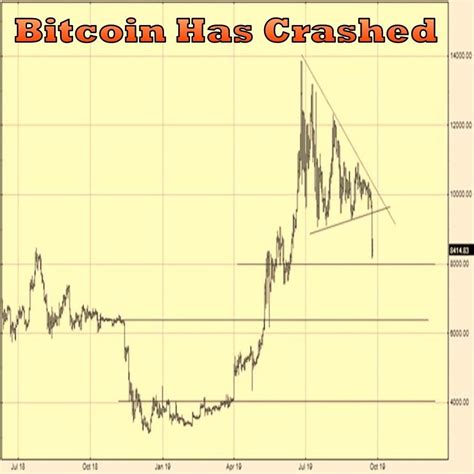
The current drop in cryptocurrency prices can be partially attributed to several factors:
- Regulatory uncertainty : As mentioned above, the regulatory test has increased volatility and uncertainty between investors.
- Liquidity issues : reduced liquidity in the market has made traders buy or sell cryptocurrencies at competitive prices.
3
Excessive saturation : The increase in the Ethereum ecosystem has increased competition for attention and adoption, resulting in a decrease in demand and lower prices.
- Market mood : The reduction in the value of Bitcoin has partially caused that investors were suitable for the currency, perceiving it as less secure and more volatile, as it is not a decentralized lack of support for applications.